Why Does Winter Road Salt Leave White Marks on Floors and Car Mats?
Road salt leaves white marks on floors, rugs and car mats every Massachusetts winter. Learn why it happens, where it does damage and how to keep it in check.
Introduction
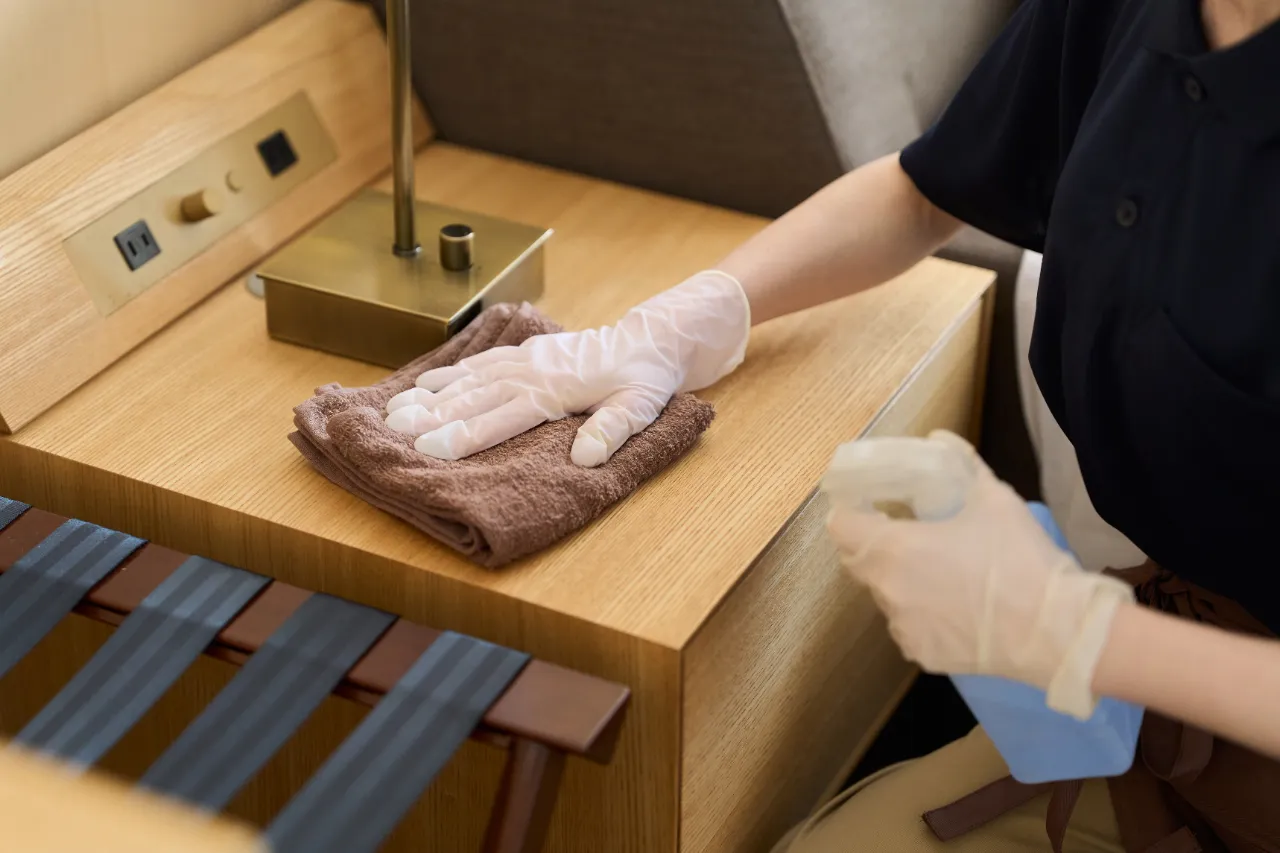
Every Massachusetts winter brings the same chalky lines. They show up on the entry floor, the hallway runner and the driver’s side mat. Road salt residue on floors is easy to ignore at first. By February, though, it can dull finishes and grind into carpet fibers.
Read the Full Introduction
Towns and the state treat roads with salt and brine to keep them safe in snow and ice. That’s good news on the drive to work. The downside is that every boot and tire carries some of it home. Once the slush dries, the salt stays behind as a white crust.
In this guide, we’ll explain what that residue is. Then we’ll show which spots in your home and car take the hardest hit. We’ll also share simple ways to keep it under control. You’ll see when a professional visit makes sense. Sometimes, a little routine care at the door is enough to get you to spring.

Chapter 01
What Salt Residue Actually Is
When snow and slush melt off your boots, the water evaporates and leaves the dissolved salt behind. That’s the white film you see on floors and mats.
Keep Reading: What Salt Residue Actually Is
Rock salt is the most familiar product, but road crews may also use brines and other deicing chemicals. Many of these leave a similar haze. The residue isn’t just cosmetic. Salt crystals are gritty, so foot traffic grinds them into floor finishes and carpet like fine sandpaper. On hard floors, repeated wet and dry cycles can leave a cloudy look that a quick mop doesn’t fix. In cars, salt dries into stiff white lines on carpet and along the door sills. The longer it sits, the more it spreads with every step. Regular removal during the season is much easier than one big cleanup in April.
Chapter 02
Where It Does the Most Damage at Home
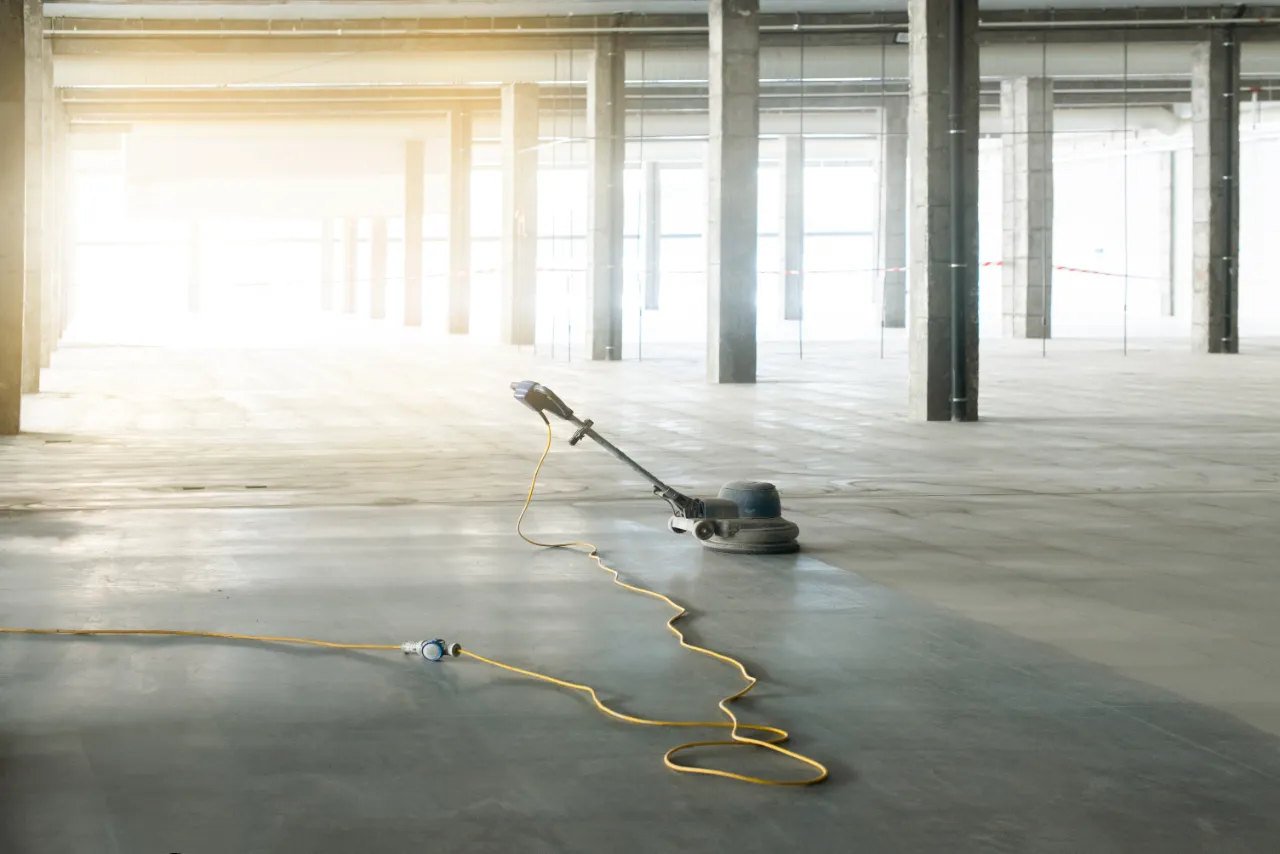
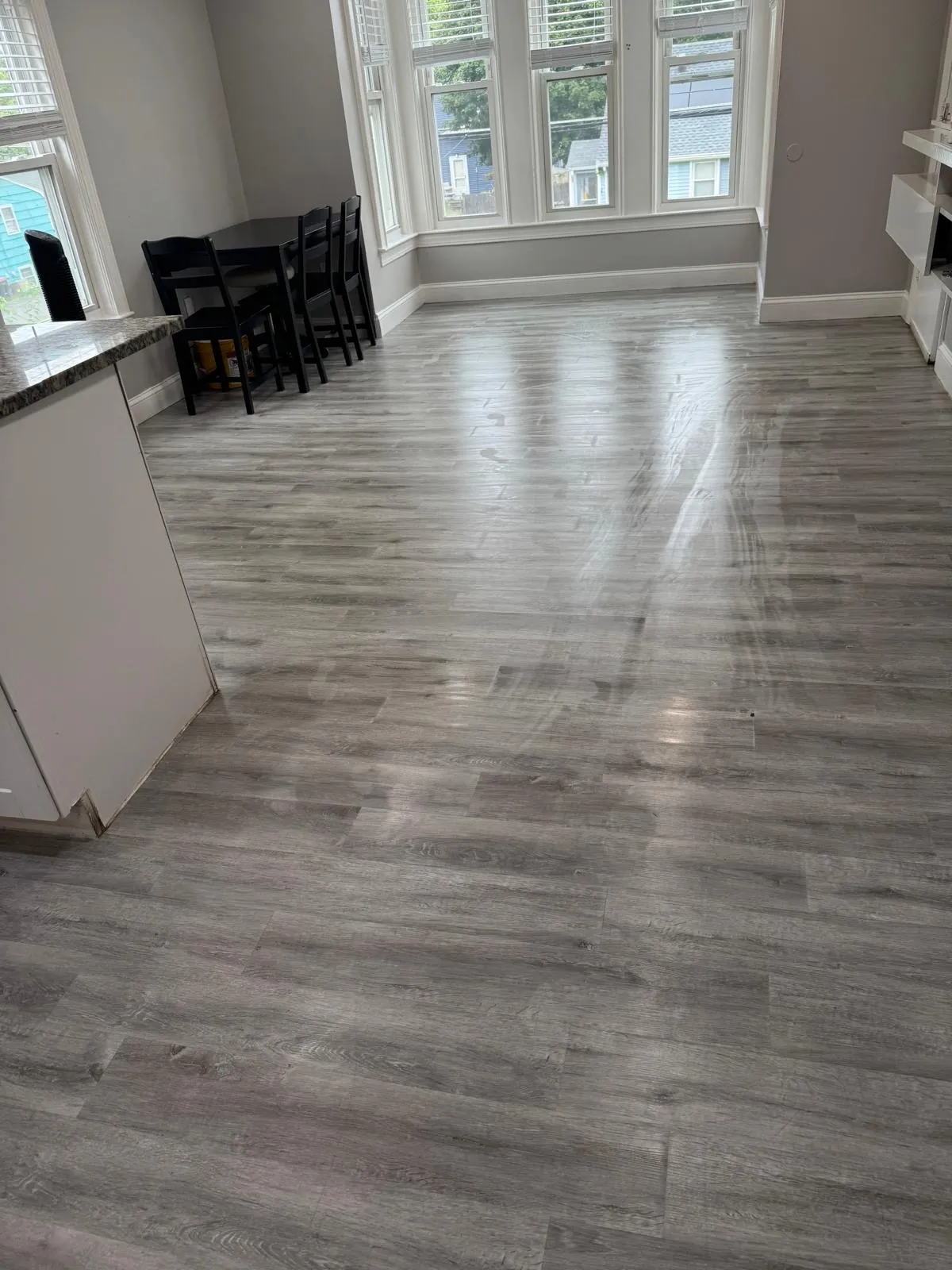
Entryways and mudrooms take the first hit. Mats catch a lot, but salty water often seeps past the edges onto the floor.
Keep Reading: Where It Does the Most Damage at Home
Hardwood near the front door is especially sensitive, since standing salt water can dull the finish over time. Tile handles salt better, although the grout can darken and hold residue. Hallway runners and the bottom stairs come next, because people keep their boots on longer than they think. Don’t overlook the garage entry. In many Massachusetts homes, that’s the door everyone actually uses in winter. Pets carry salt too, on paws and bellies, and it ends up on rugs and couches. A good habit is to check these spots weekly. White lines that return within a day of mopping are a clear sign. The residue is building faster than routine care can handle.
Chapter 03
Salt Inside Your Car
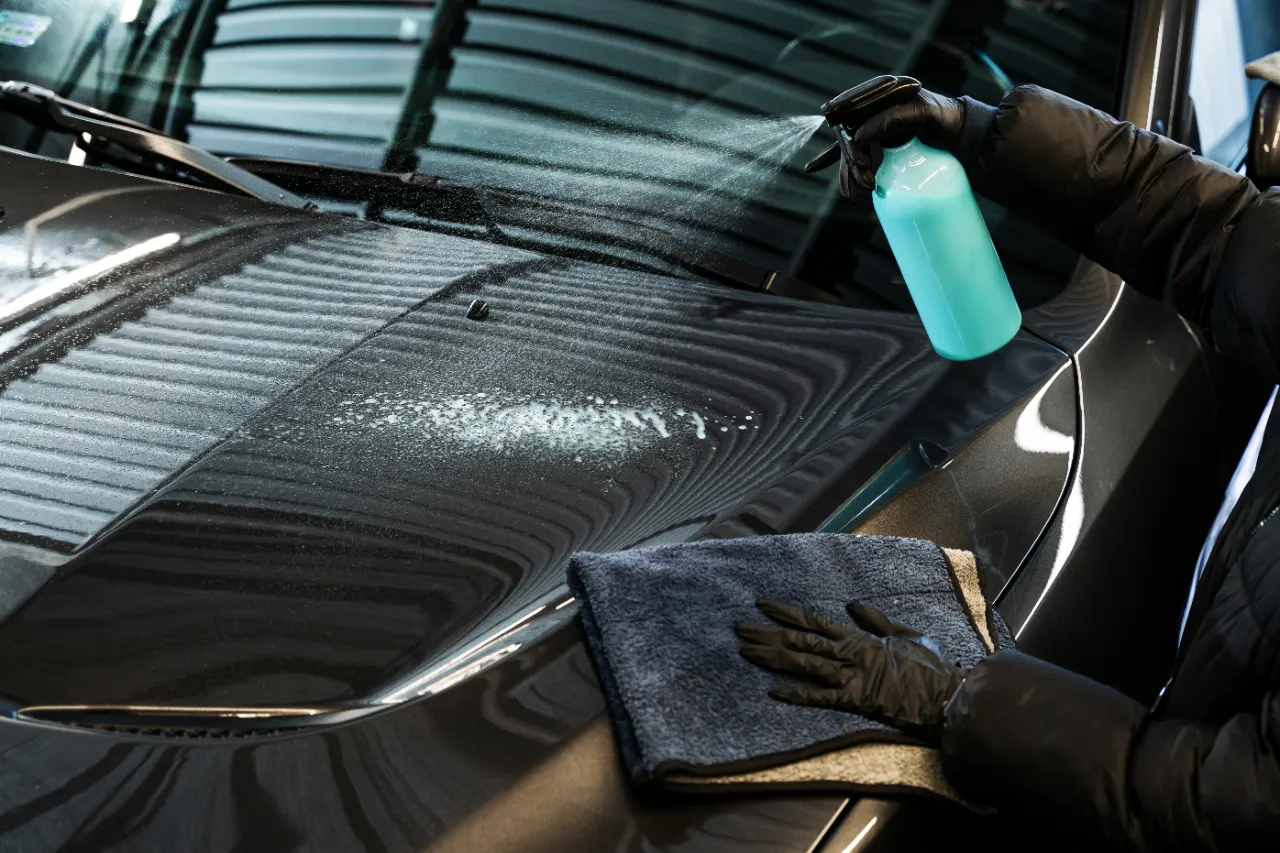
Your car may collect even more salt than your house. Every stop at the gas station, school pickup or grocery store adds another layer to the floor mats.
Keep Reading: Salt Inside Your Car
Rubber mats hold salty water in their grooves, and it sloshes onto the carpet underneath when you brake. Carpet mats soak it up and dry into stiff, white patches. Door sills and the lower door panels get splashed every time you climb in. Over a long winter, that grit works into seat rails and under the seats where it’s hard to reach. Commuters who park in station lots or garages all day tend to see it first. A mid-winter interior clean pulls out the dry salt before it spreads further. Our car cleaning in focuses on mats, carpets, sills and door panels, where the residue does the most harm.
Chapter 04
Keeping Salt Under Control Until Spring
You don’t have to win the salt battle every day. You just have to stay ahead of it.
Keep Reading: Keeping Salt Under Control Until Spring
Put a heavy outdoor mat outside each entry and an absorbent mat inside. Set up a boot tray so wet footwear doesn’t drip on hardwood. Dry-sweep or vacuum loose crystals before mopping, so you aren’t spreading gritty water. In the car, knock mats out once a week when temperatures allow, and let them dry fully. If life is too busy to keep up, a routine visit can carry the load. A standard cleaning schedule puts extra focus on entries, mudrooms and floors through the cold months. When spring arrives, a single deep clean can clear what’s left from a long season of slush and salt.
Quick Answers
Frequently Asked Questions
Does road salt damage hardwood floors?
It can. Salty water left standing on hardwood may dull the finish over time, especially near entry doors. Removing road salt residue on floors regularly during winter helps protect the finish.
Why do white lines come back after I mop?
Salt that’s ground into mats, rugs or grout keeps resurfacing as it dries. Sweeping or vacuuming loose crystals first, then mopping with clean water, usually works better than mopping alone.
How often should I clean salt out of my car in winter?
It depends on how much you drive. Many Massachusetts drivers find one or two interior cleans each season keep mats from turning stiff and white.
Can road salt hurt pets’ paws?
Salt and deicers can irritate paws and get tracked onto rugs and furniture. Wiping paws at the door helps both your pet and your floors.
Can you clean salt from my home and car in the same week?
Yes, we handle home and car cleaning. Call (774) 360-1205 to ask about scheduling both visits close together.
Keep Reading
More Cleaning Tips and Guides
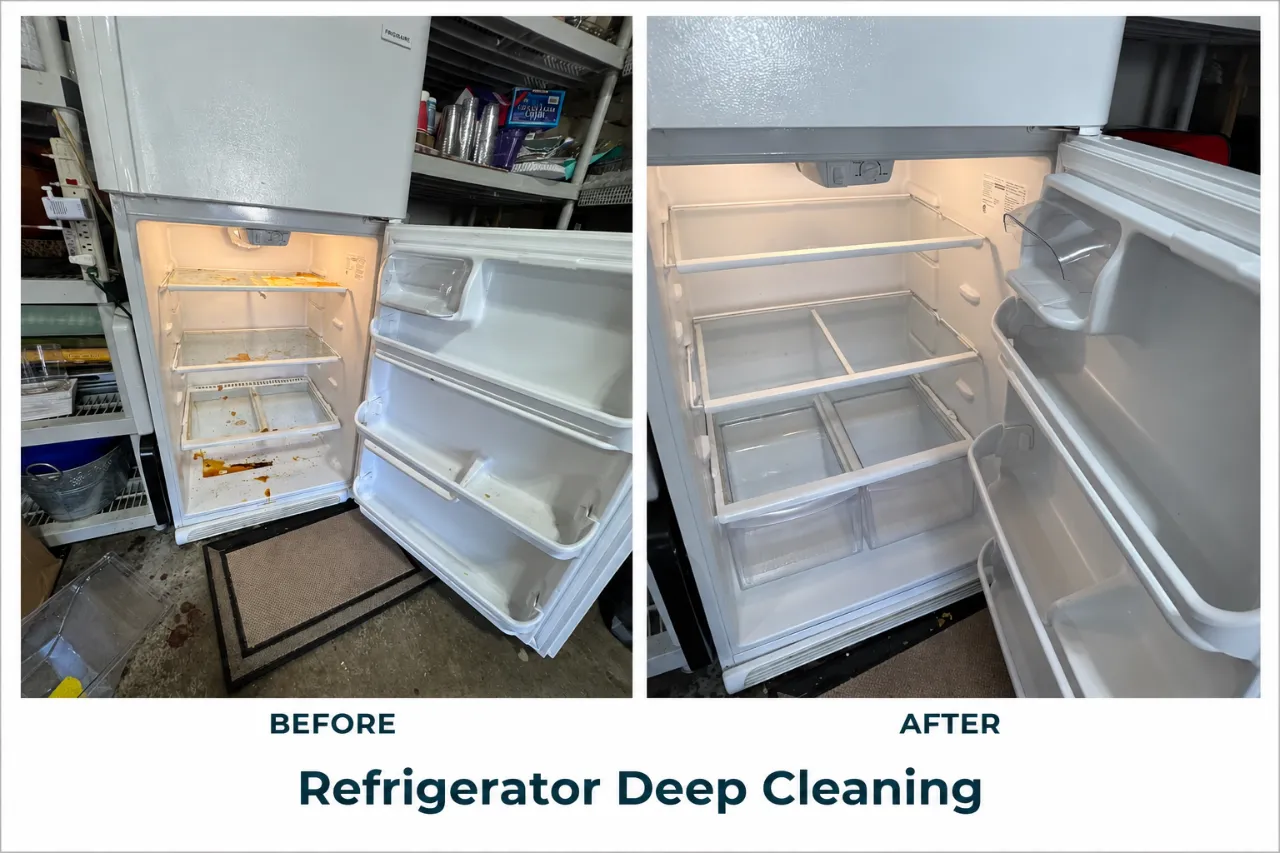
How Do You Get Construction Dust Out of Your Home After a Renovation?
Construction dust keeps coming back after a remodel. Learn where it hides in Massachusetts homes, when to clean and what a post-construction...
Should You Book One-Room Cleaning or a Full-House Visit?
Should you book a single room or the whole house? Learn when targeted cleaning makes sense, which spaces people book on their...
Deep Cleaning vs Standard Cleaning: Which One Does Your Home Need?
Not sure whether to book a deep cleaning or a standard cleaning? Compare what each covers, the signs your home needs a...
Free Estimate
Ready for a Cleaner Space? Let Us Handle It
Tell us about your home, business or car and we will suggest the right cleaning plan.
Or Call Us Directly (774) 360-1205